
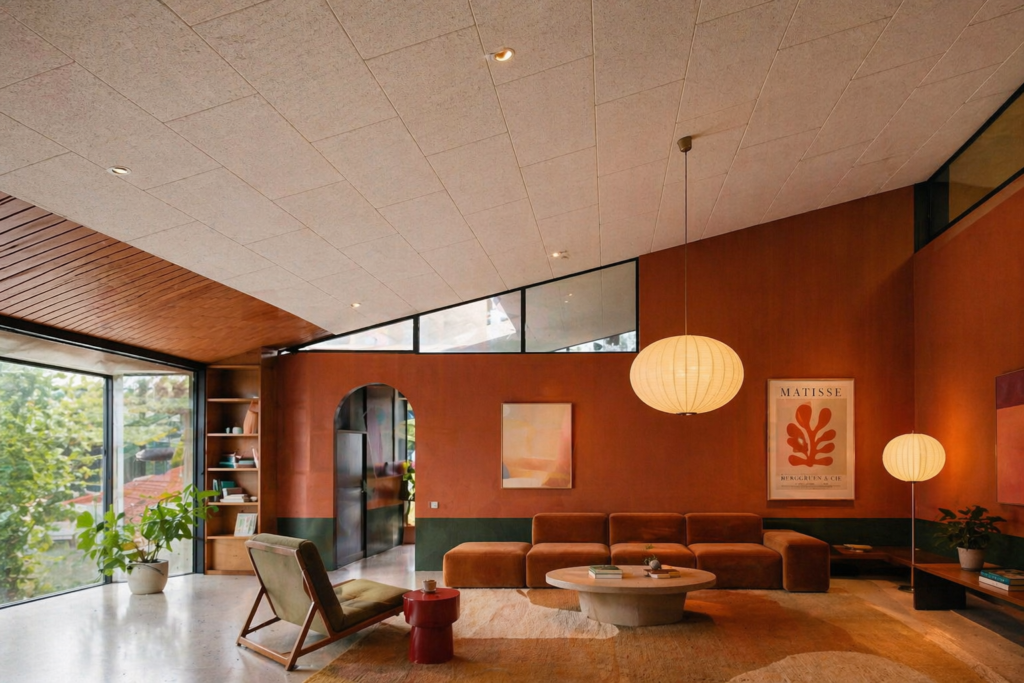
Open-plan interiors have become one of the most popular design trends in modern architecture. From offices and cafés to restaurants, hotel lobbies, and co-working spaces, open spaces create a sense of connection, openness, and visual flow. However, while these environments look modern and inviting, they often suffer from one common issue — excessive noise and echo.Therefore, acoustic ceiling panels help reduce reverberation and improve acoustic comfort while maintaining a clean and modern aesthetic.
Large open areas typically feature hard surfaces such as concrete, glass, stone, and exposed ceilings. These materials reflect sound instead of absorbing it, causing conversations, footsteps, and background noise to bounce throughout the space. Over time, this creates an uncomfortable acoustic environment that can affect concentration, communication, and overall customer experience. This is where acoustic ceilings become essential.
However, large open areas often create echo and noise issues that affect concentration and communication. Regarding, research on open office acoustics shows that uncontrolled sound can negatively impact workplace comfort.
Reducing Echo and Improving Comfort
Acoustic ceiling panels are designed to absorb sound waves and reduce reverberation. Instead of allowing sound to continuously reflect around a room, acoustic materials help control noise and create a more balanced atmosphere.
In offices, this improves focus and speech clarity. In restaurants and cafés, it creates a more comfortable dining experience. In hospitality spaces such as hotel lobbies or lounges, it helps create a calm and luxurious ambiance.
A quieter environment often feels more premium, more relaxing, and more thoughtfully designed.
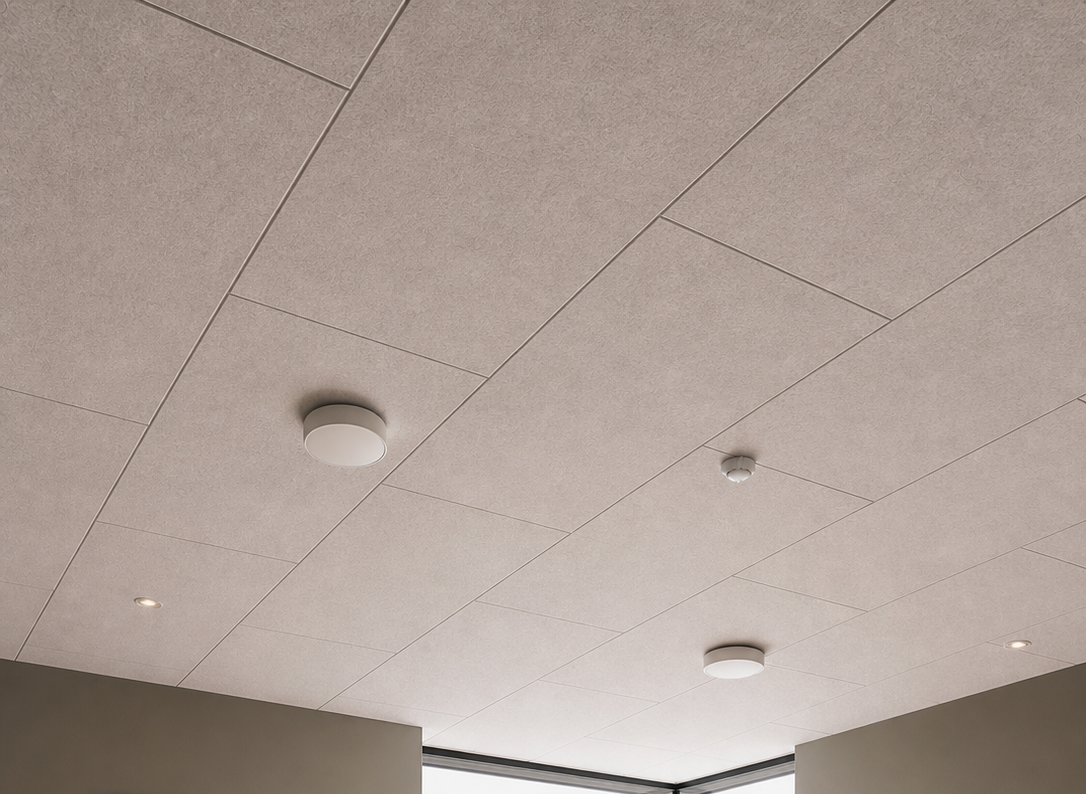
Acoustic Ceilings as a Design Feature
Modern acoustic ceilings are no longer purely functional. Today, architects and interior designers use acoustic ceiling panels as part of the overall visual identity of a space.
PET acoustic ceiling panels, in particular, have become increasingly popular because they combine sound absorption with clean contemporary aesthetics. Their soft texture, seamless appearance, and minimalist detailing work especially well in Scandinavian, modern, and hospitality-inspired interiors.
Acoustic ceiling systems can also add rhythm, depth, and architectural character to large open spaces without making the design feel heavy or overcrowded.
Why PET Acoustic Ceiling Panels Are Popular
PET acoustic ceiling panel are widely used in commercial interiors because they are lightweight, durable, and visually versatile. They are available in a variety of colors, textures, and ceiling configurations, making them suitable for offices, restaurants, retail stores, meeting rooms, and public spaces.
In addition to improving acoustics, PET felt panels help soften interiors visually, creating spaces that feel warmer and more inviting.
The Future of Open Space Design
As modern interiors continue to favor open layouts, acoustic comfort has become just as important as visual aesthetics. Designers are no longer treating ceilings as empty surfaces — they are becoming a key architectural element that shapes both the look and feel of a space.
A well-designed acoustic ceiling does more than reduce noise. It transforms open spaces into environments that feel calmer, more functional, and more refined.
About TYNE New Material Technology
TYNE New Material Technology (Thailand) Co., Ltd. is a leading manufacturer specializing in the production of interior acoustic panels and the assembly of acoustic modules. Located in Thailand, our 6,000 sqm factory employs advanced technology, including automatic production lines for polyester panels and CNC cutting equipment, to deliver a diverse range of products. From standard engineering sheets to DIY sound-absorbing kits, we cater to global markets to meet your business needs.
We adhere to strict ISO 9001:2015 quality management systems, ensuring that every container shipped meets international standards for fire safety (ASTM E84 Class A or EN 13501 Class B) and low formaldehyde emissions. Our commitment to eco-friendly production involves using recycled PET materials to create sustainable, high-quality acoustic solutions that elevate industry standards.
Contact us
Call: +(66) 65-237-5578
Email: support@tyneacoustic.com
Website: tyneacoustic.com